
Reviews, Guides, and Research for Side Sleepers
You can find all of this information yourself — if you have the time to dig through specs, policies, reviews, and customer feedback. We do the digging for you and bring the useful parts together in one place.
When you buy with our links, we may earn a commission. See how we work with brands here.
Featured Reviews
View all reviews →The Three Best Mattresses for Side Sleepers: Pros and Cons
The internet is ripe with blog posts and articles on what's supposed to be the best mattresses for side sleepers. The problem is that it's hard to separate useful reviews from paid marketing in this space. That's why the Side Sleeper Guide team does its own research. When we checked out three of the mattresses that get recommended the...
Read review →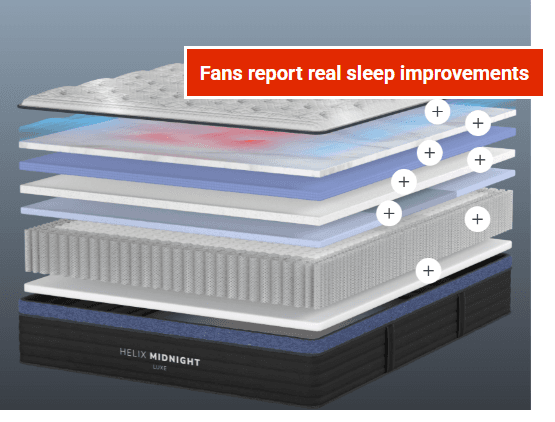
The Three Best Pillows for Side Sleepers: Pros and Cons
There are lots and lots of blog posts and articles on what's supposed to be the best pillow for side sleepers. The problem is that it's hard to separate useful reviews from paid marketing in this space. That's why the Side Sleeper Guide team does its own research. When we checked out three of the pillows that get recommended the most, we...
Read review →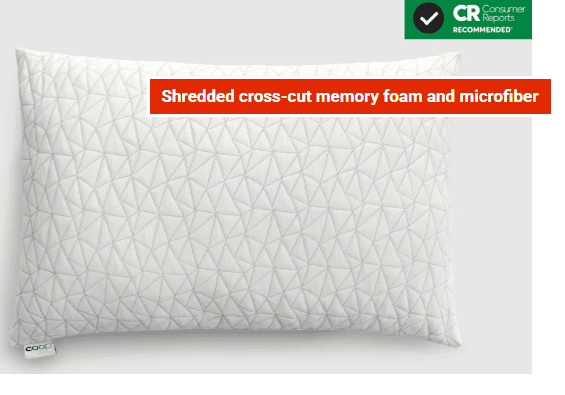
Best Mattresses for Lower Back Pain: 7 Picks (2026)
If you start every morning with a slow, groaning shuffle to the coffee machine, your mattress might be the culprit. A mattress that's too soft lets your hips sink lower than your shoulders, twisting your spine out of alignment all night. One that's too firm does the opposite, leaving gaps under your lower back with nothing to fill them...
Read review →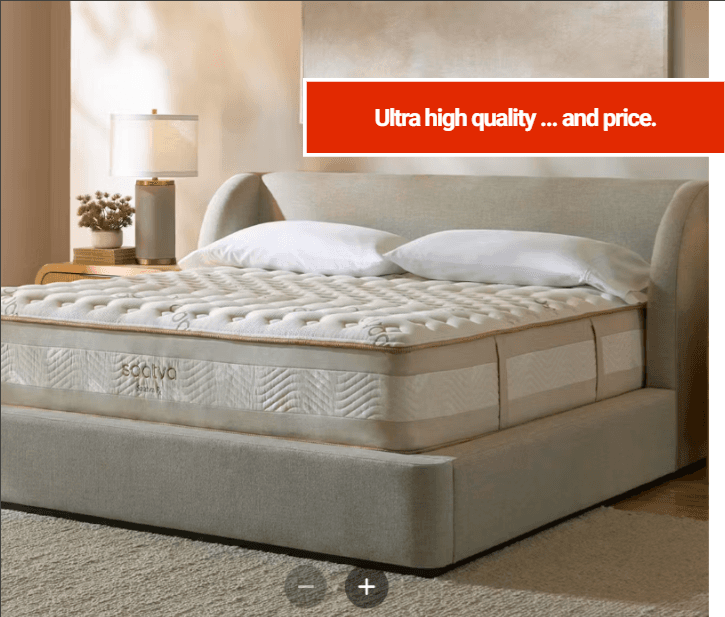
Science Has Spoken: 7 Facts You Didn't Know About Sleep Quality
Your sleeping position isn't just a matter of comfort—it's basically a biological clock. Research shows why choosing the right mattress and pillow get more important as we age.
Read review →
Can the Right Pillow Fix Your Neck Pain? Here's What the Science Says
Neck pain affects a huge chunk of the population at some point in their lives, and a surprising amount of research has gone into figuring out whether the thing under your head at night is actually part of the problem. We dug into three studies spanning nearly three decades, from a classic 1997 clinical trial to a 2021 meta-analysis...
Read review →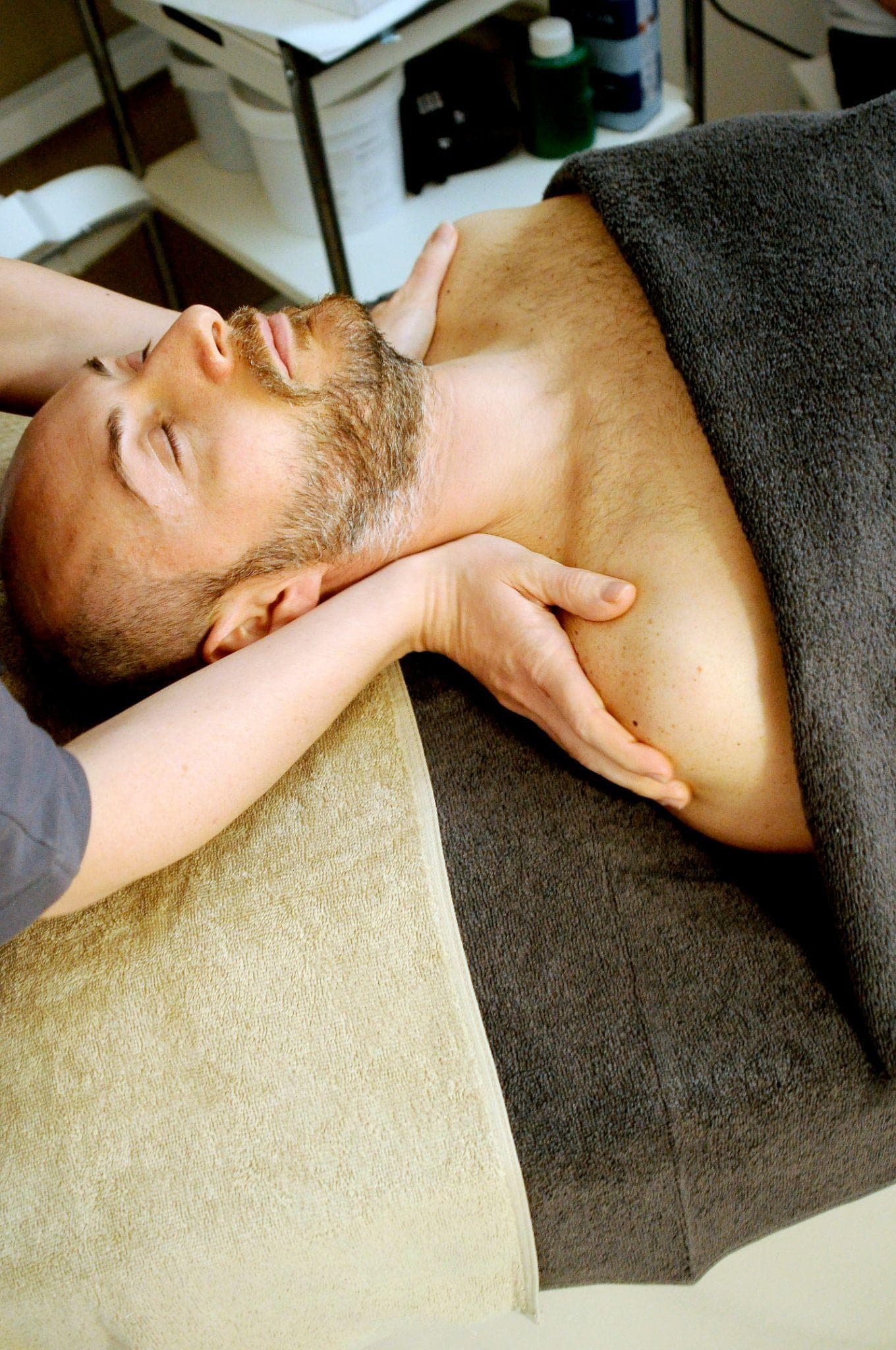
Frequently asked questions
There is no single best side for everyone. Sleeping on the left side may be preferable for people with nighttime acid reflux and is commonly recommended during later pregnancy, while sleeping on the opposite side of a sore shoulder may be more comfortable. For most people, the better side is the one that allows comfortable, uninterrupted sleep without creating pain or numbness.
Side sleeping places more direct pressure on the shoulder against the mattress. A mattress that is too firm, a pillow with the wrong height, or sleeping directly on an already sore shoulder can all contribute to discomfort. Pillow loft matters because your head and neck need enough support to avoid pulling the shoulder and neck out of a comfortable position.
If your pillow may be part of the problem, see our Best Pillows for Shoulder Pain.
Side sleeping concentrates more pressure around the hip and shoulder. A very firm mattress may not cushion the hip enough, while a mattress that is too soft can allow the pelvis to sink too deeply. Mattress comfort is only one possible factor, however, so persistent or significant hip pain should not automatically be blamed on your bed.
See our Best Mattresses for Side Sleepers for mattresses we researched with pressure relief and support in mind.
Temporary numbness or tingling can happen when your sleeping position puts pressure on an arm or nerve. Changing position and avoiding sleeping directly on the arm may help, while a pillow that properly supports the head and neck can reduce how much weight ends up on the shoulder. Frequent, persistent numbness — especially with weakness or other symptoms — should be discussed with a healthcare professional.
Our Best Pillows for Side Sleepers compares different approaches to loft, shape and adjustability.
A pillow between the knees can help keep the hips, pelvis and spine in a more neutral position while side sleeping. It may be especially useful if your upper leg tends to rotate forward during the night. A regular pillow works, but a full-length body pillow can support both the upper body and legs at the same time.
See our Best Body Pillows for Side Sleepers for the options we researched.
There is no universal firmness that works for every side sleeper. Medium to medium-firm is a common starting point, but lighter sleepers often need more cushioning to sink in enough at the shoulder and hip, while heavier sleepers may need a firmer surface for support. Your body weight, shape and personal preference all matter.
See our Best Mattresses for Side Sleepers for the firmness options and trade-offs we found in our research.
Both can work well, but they feel different. Memory foam tends to contour closely around the shoulders and hips, while hybrids combine comfort layers with a coil support system that usually gives the bed more bounce and airflow. The better choice depends on whether you prefer a deeper, slower-moving feel or a more responsive sleep surface.
If you prefer the close contour of foam, see our Top 8 Memory Foam Mattresses for Side Sleepers.
Often, yes — but not simply because “firmer is better.” A heavier sleeper generally sinks farther into the same mattress than a lighter sleeper, so additional firmness and stronger support can help prevent excessive sinkage while still allowing cushioning around the shoulders and hips. Individual body shape and comfort preferences still matter.
Our Best Mattresses for Side Sleepers includes mattresses with different firmness options, including models aimed at heavier sleepers.
Side sleepers usually need more loft than back or stomach sleepers because the pillow has to fill the space between the head and mattress created by the shoulder. Medium-to-high loft is a common starting point, but broad shoulders may require more height while a softer mattress that lets the shoulder sink deeply may require less. Adjustable pillows can make finding the right height easier.
See our Best Pillows for Side Sleepers for adjustable, shaped and traditional options.
There is no single material that is best for everyone. Adjustable shredded-foam pillows let you change the loft, molded or contoured foam keeps a more consistent shape, and latex tends to feel more responsive than memory foam. The important part is finding a pillow that fills the shoulder-to-head gap without pushing the head too far upward.
Our Best Pillows for Side Sleepers compares several of these approaches and their trade-offs.
They can be. A body pillow gives side sleepers something to support the upper arm and place between the knees, which can help keep the hips and pelvis from rotating as much during sleep. The best shape and firmness depend on whether you mainly want leg support, something to hug, or support along most of the body.
See our Best Body Pillows for Side Sleepers for the models we researched.
A topper can make sense when your mattress feels too firm but is otherwise supportive and in good condition. Memory foam, latex and other cushioning materials can change the surface feel and provide more room for the shoulders and hips to sink in. A topper cannot repair a sagging or structurally worn-out mattress, so replacement is usually the better option when the support underneath has failed.
See our Best Mattress Toppers for Side Sleepers for the options we researched.
Most mattress toppers are roughly 1 to 4 inches thick, and thickness determines how much they change the feel of the mattress. A thicker topper can provide a more noticeable cushioning change when a mattress is much too firm, while a thinner topper may be enough when only a small adjustment is needed. Body weight, topper firmness and the condition of the mattress underneath are just as important as thickness alone.
See our Best Mattress Toppers for Side Sleepers for the materials, thicknesses and trade-offs we found.